
Avoid Unwanted Leaks: How to Detect Leaks and Conserve Water
This week is national Fix a Leak Week, making it the perfect time to take a closer look at your home’s water filtration system. Have you ever asked yourself how old your water filtration system is and when the last time you checked it for a leak was…or if you ever have?
While it is not uncommon for older water filtration systems to develop leaks over time, it is definitely something you want to catch early and avoid altogether. Water Unlimited is always here to help fix a leak if one occurs, but knowing how to detect and prevent issues on your own can save you time, money, and unnecessary stress.
Detecting leaks
A leak in your water filtration system can do more than just waste water. It can promote mold or bacterial growth, cause damage to floors or cabinets, and allow contaminants into your drinking water, ultimately defeating the purpose of having the system in the first place. That is why it is so important to know how to detect a leak, and check regularly.
There are several ways you can check your water filtration system for leakage. Some signs are obvious, while others are easy to overlook:
- Visual inspection: It is so important to regularly check the filter system for moisture, water pooling underneath, or rust on surrounding pipes. All can indicate a leak.
- Physical check: You should semi-regularly run your hand along the exterior tubing of the filter and around the area to feel for small leaks. On reverse osmosis systems, check for clogged drain lines. If anything feels damp or abnormal, it is worth investigating.
- Listen: Listen for persistent dripping or running water when no taps or appliances are in use.
- Water meter test: Turn off all water-using appliances in your home and check your water meter. If it continues to move, this may be a sign of a leak.
Preventing leaks
The good news is that many leaks are completely preventable with proper maintenance and a little attention detail through the steps below:
- Replace your filter: Most systems require filter replacements every 2–6 months, depending on the type of system and your household’s water usage. Delaying replacements can increase pressure and lead to leaks.
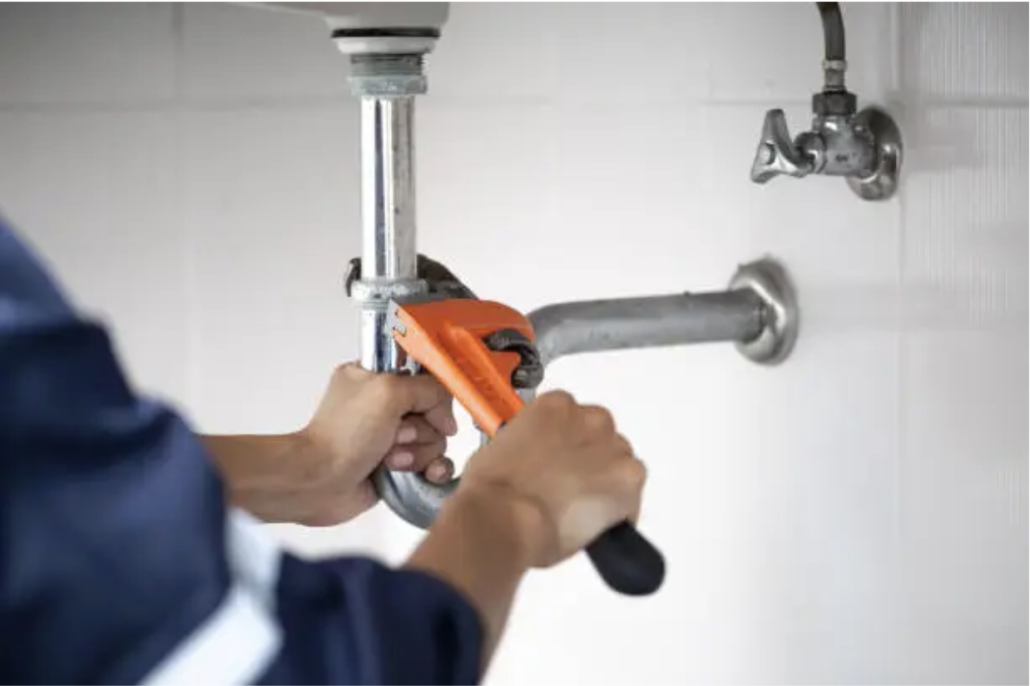
- Tighten loose connections: Periodically check to make sure none of the connections or fittings in your system are loose, as this could potentially cause a leak.
- Clean: If water is dripping from the valve area it could be due to a buildup of dirt in the area. A simple cleaning can resolve the issue before it becomes a bigger problem.
Conserving water
Unchecked leaks in your water filtration system can lead to water damage, contaminated drinking water, higher utility bills, and unnecessary water waste. Staying proactive helps protect your home, your health, and the environment.
If you notice any signs of a leak, or if you’re unsure whether your system is functioning properly, Water Unlimited is here to help. Our team can quickly identify and fix leaks before they turn into costly repairs.
You can also request a free water analysis HERE and we can help you determine if a new Whole House Water Filtration System is right for you and your home.