
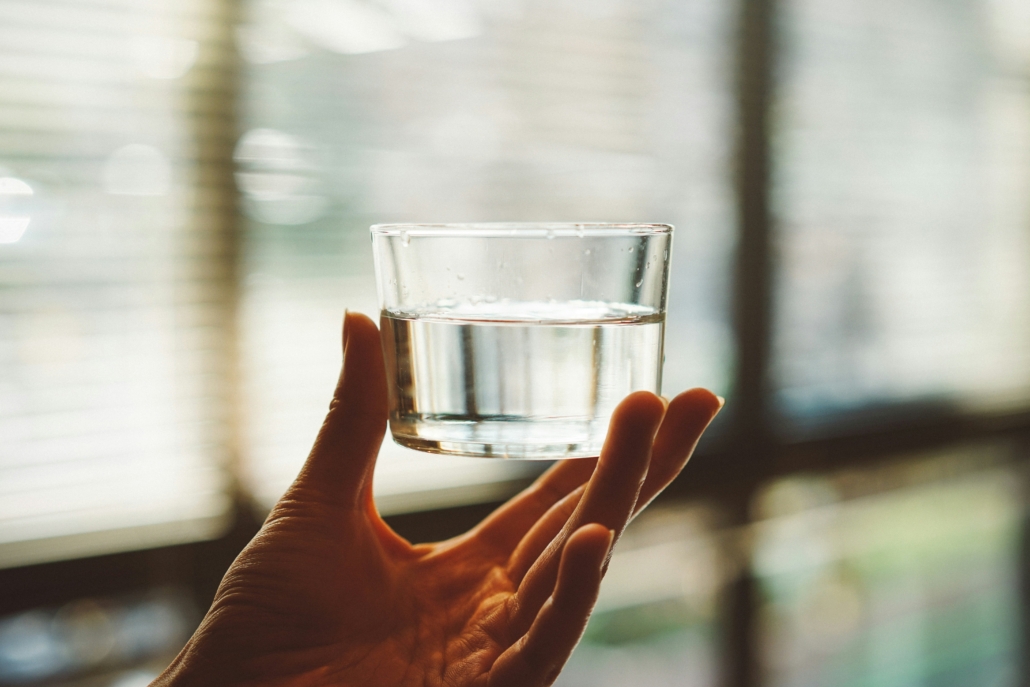
Have Gratitude for Clean Water: What Does Filtration Keep out of Your Water?
This month is all about gratitude, and at Water Unlimited, one of the things we’re most thankful for is the clean water that helps keep our homes and communities healthy.
Clean water plays an essential role in everyday life, from drinking and cooking, to bathing and cleaning. However, not everything that enters your water supply is visible to the naked eye.
Depending on your water source and local conditions, water can contain sediment, chemicals, microorganisms, and other contaminants that may affect its quality. That’s where water filtration comes in.
But what exactly does water filtration help remove from your water, and what makes it worth being thankful for? Here are four common categories of substances that water filtration systems can target.
1. Physical
Have you ever noticed cloudy water, visible particles, or sediment collecting in your sink? These can be signs of physical impurities in your water.
Physical contaminants include substances such as dirt, sand, silt, microplastics, and other suspended particles.
Sediment filters are designed to capture particles before they travel throughout your plumbing system. By reducing these impurities, filtration can help improve water clarity, protect plumbing fixtures, and support the performance of other water treatment equipment.
While these particles may not always pose a health risk, removing them can contribute to cleaner, clearer water throughout your home.
2. Chemical
Water can come into contact with various chemicals, such as chlorine, as it moves through the environment and municipal treatment systems.
Certain filtration systems, particularly carbon filters, can reduce chlorine, unpleasant tastes, odors, and specific organic chemicals. Depending on the filter and the contaminants present, some systems can also reduce certain pesticides and other chemical compounds.
The key is choosing a filtration system designed to address the specific substances found in your water. Not every filter removes every chemical, which is why understanding your water quality is an important first step.
3. Biological
Clean water is essential for protecting public health, making biological contaminants an important consideration when evaluating water quality.
Biological contaminants can include bacteria, viruses, and parasites. These microorganisms can enter water through contaminated sources, damaged infrastructure, or other environmental conditions.
However, not all water filtration systems are designed to remove or inactivate these organisms. Depending on the water source and the potential risks, treatment options may include ultraviolet (UV) disinfection systems, or other specialized treatment methods.
Understanding whether biological contaminants are a concern for your water supply can help determine which treatment solutions are appropriate for your home.
4. Heavy Metals
Heavy metals, such as lead, are particularly important to consider because exposure can pose health risks.
Certain certified water filtration systems are designed to reduce lead and other specific metals, depending on the technology used.
Dissolved minerals, such as calcium and magnesium, are another common consideration. These minerals are responsible for hard water, which can contribute to buildup on faucets, appliances, pipes, and water-heating equipment.
Although calcium and magnesium are minerals rather than heavy metals, treating them can still make a noticeable difference in your home. Water softeners are commonly used to reduce hardness and help protect plumbing and appliances from mineral buildup.
Because different contaminants require different treatment methods, selecting the right system starts with identifying what is actually present in your water.
Give Thanks for Better Water
This season, we’re reminded that some of the most important things in our daily lives are also the easiest to take for granted. Clean water is one of them.
From reducing unwanted particles and chemicals to addressing specific contaminants and hard water concerns, the right water treatment solution can help improve your home’s water quality and provide greater peace of mind.
If you’re considering improving your home’s water quality, starting with expert guidance can make all the difference. You can request a free water analysis HERE and we can help you determine if a new Whole House Water Filtration System is right for you.