The Benefits of Installing a Water Softener
For many households, especially those in areas with hard water, installing a water softener can be a game-changer. Hard water, which contains high levels of minerals like calcium and magnesium, can have significant implications for everyday life and household appliances. Here’s why investing in a water softener might be one of the best decisions you make for your home:
- Protecting Your Plumbing and Appliances
One of the most compelling reasons to install a water softener is its ability to protect your plumbing and appliances. Hard water leaves mineral deposits that can build up over time, clogging pipes, reducing water flow, and potentially damaging appliances such as washing machines, dishwashers, and water heaters. A water softener removes these minerals, preventing costly repairs and extending the lifespan of your plumbing and appliances.
- Cleaner and Softer Skin and Hair
Hard water is notorious for leaving a residue on skin and hair, making it difficult to achieve that squeaky-clean feeling after a shower. This residue can also exacerbate skin conditions like eczema and dryness. By softening your water, you can enjoy cleaner, softer skin and hair, as well as reduce the amount of soap and shampoo needed for washing.
- Brighter and Softer Clothes
Hard water can reduce the effectiveness of laundry detergents and leave clothes looking dull and feeling stiff. With a water softener, you’ll notice that your clothes come out brighter, softer, and cleaner after each wash. This not only improves their appearance but also extends their lifespan by reducing wear and tear caused by abrasive minerals.
- Improved Efficiency of Water Heating Systems
Heating hard water requires more energy compared to soft water. The mineral deposits in hard water create scale buildup in water heaters, which forces them to work harder and consume more energy to heat water effectively. By installing a water softener, you can reduce energy consumption, lower utility bills, and prolong the life of your water heating system.
- Cleaner and Spot-Free Dishes
If you’ve ever noticed spots on your dishes after washing them, it’s likely due to hard water. These spots are caused by mineral deposits that remain on dishes as water evaporates. A water softener eliminates these minerals, leaving your dishes sparkling clean and spot-free without the need for additional rinsing or drying.
- Reduced Cleaning Time and Costs
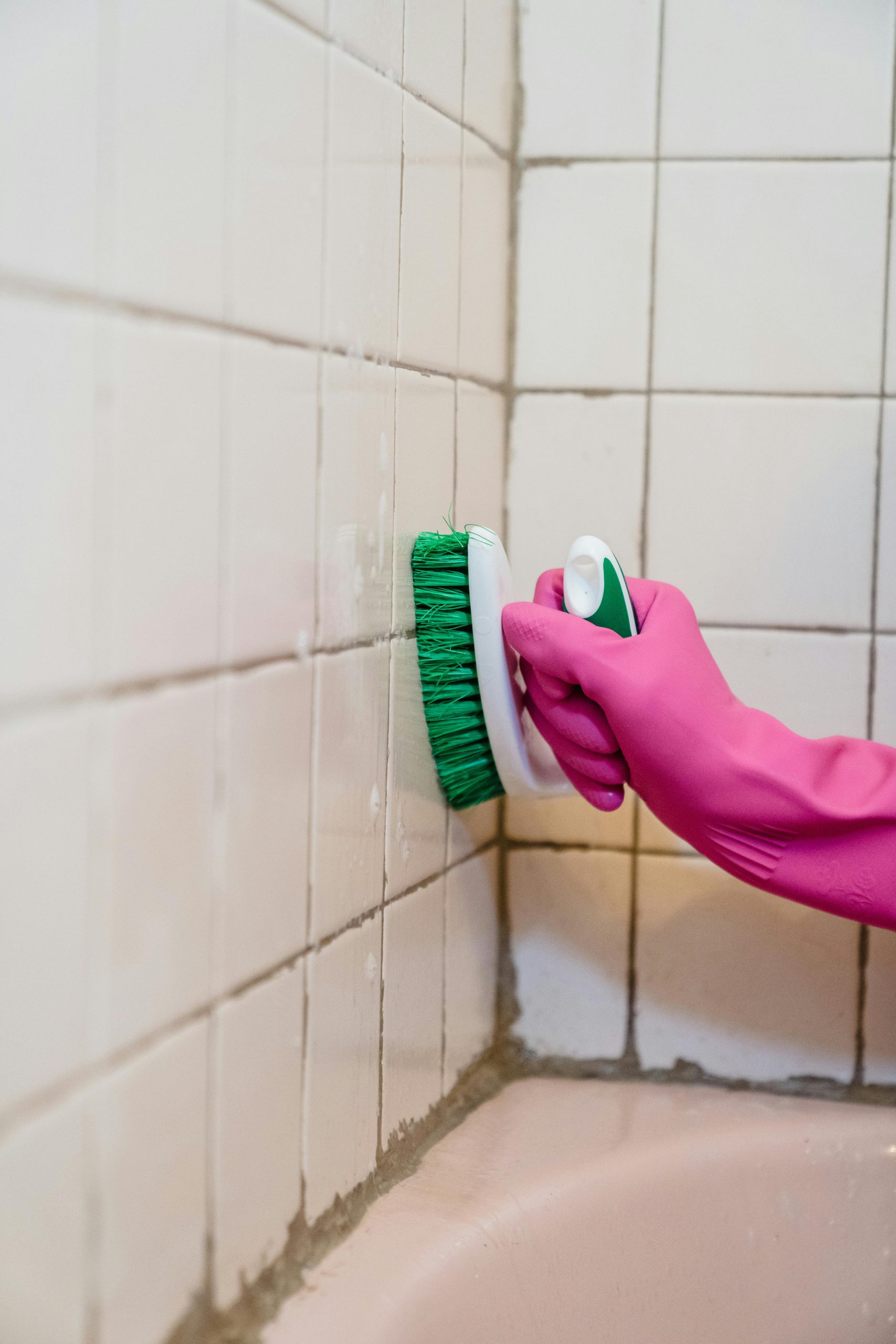
Cleaning showers, sinks, and faucets in areas with hard water can be a constant battle against limescale buildup. This stubborn residue not only looks unsightly but also requires harsh cleaning products and extra scrubbing to remove. By softening your water, you’ll spend less time and money on cleaning, as there will be fewer mineral deposits to create limescale.
- Environmentally Friendly
Using a water softener can also have environmental benefits. By reducing the need for harsh detergents and cleaning agents, you’ll decrease the amount of chemicals being deposited into the water supply. Additionally, using less energy to heat water and prolonging the lifespan of appliances contributes to a more sustainable household.
Investing in a water softener is more than just improving the quality of your water, it’s an investment in the overall well-being of your household. From protecting your plumbing and appliances to enjoying softer skin and clothes, the benefits of installing a water softener are clear. Whether you’re looking to save money on maintenance costs, reduce your environmental footprint, or simply enhance your daily comfort, a water softener can make a significant difference in your home and lifestyle.